




News > News
24.11.26
IIS and partners deliver Assisted Natural Regeneration training courses in the Atlantic Forest and Amazon
Training courses brought together approximately 130 participants across four Brazilian states, combining national technical guidelines, theoretical and practical activities, and knowledge exchange on the application of ANR in different ecological and territorial contexts.
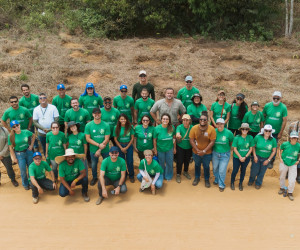
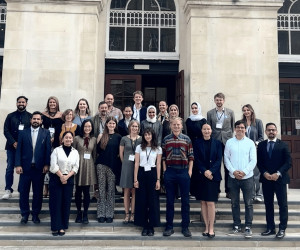
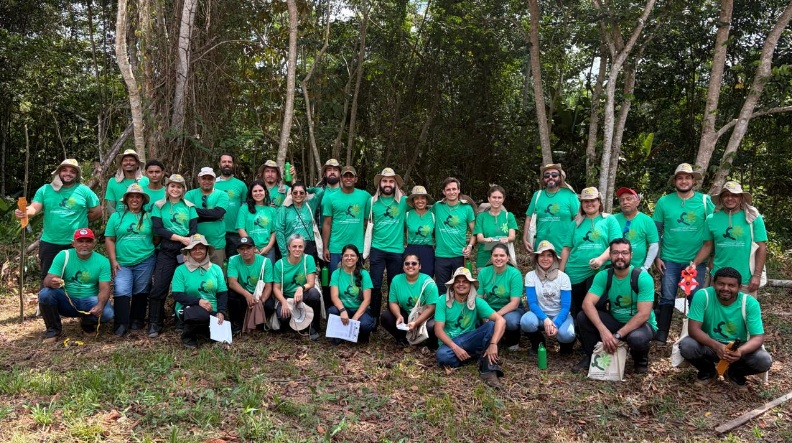
The International Institute for Sustainability (IIS) held four in-person training courses on Assisted Natural Regeneration (ANR) in the Atlantic Forest and Amazon between September and October 2026. Held in Minas Gerais, Paraná, Paraíba and Pará, the courses brought together approximately 130 participants, including representatives of public authorities, civil society organisations, research institutions, technical assistance professionals, farmers and other stakeholders involved in ecological restoration.
The activities are part of the project Facilitating the Expansion of Assisted Natural Regeneration (ANR) in Brazilian Ecosystems, funded by the Bezos Earth Fund. The courses were delivered in partnership with the Brazilian Society for Ecological Restoration (SOBRE), and planned and implemented in collaboration with biome-specific restoration networks.
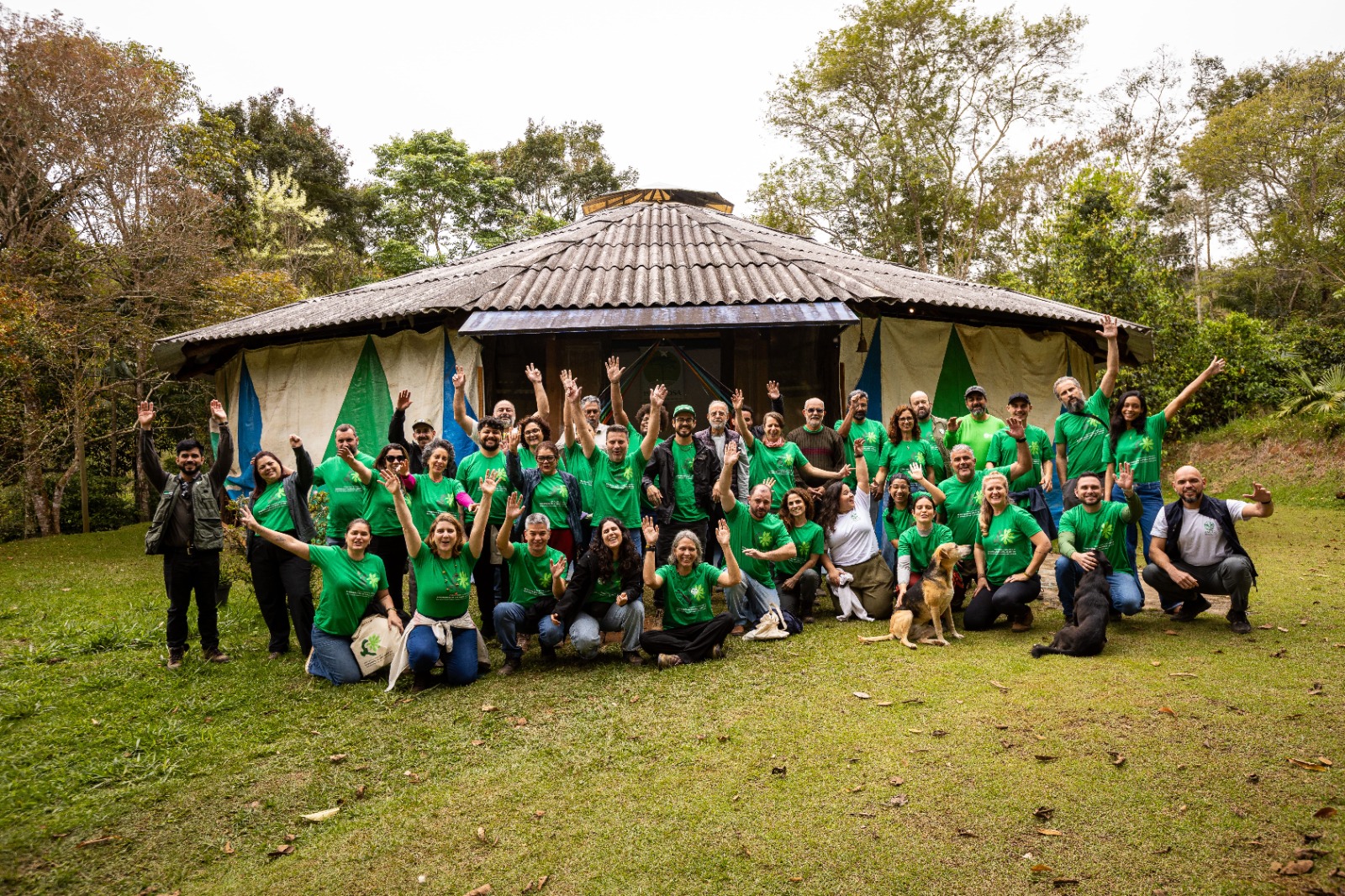
In the Atlantic Forest, three courses were organised in collaboration with the Atlantic Forest Restoration Pact, the Centre for Environmental Research in Northeast Brazil (CEPAN), and local institutions that hosted the training in the Southeast, in Viçosa (Minas Gerais); the South, in Campo Largo (Paraná); and the Northeast, in Santa Rita (Paraíba).
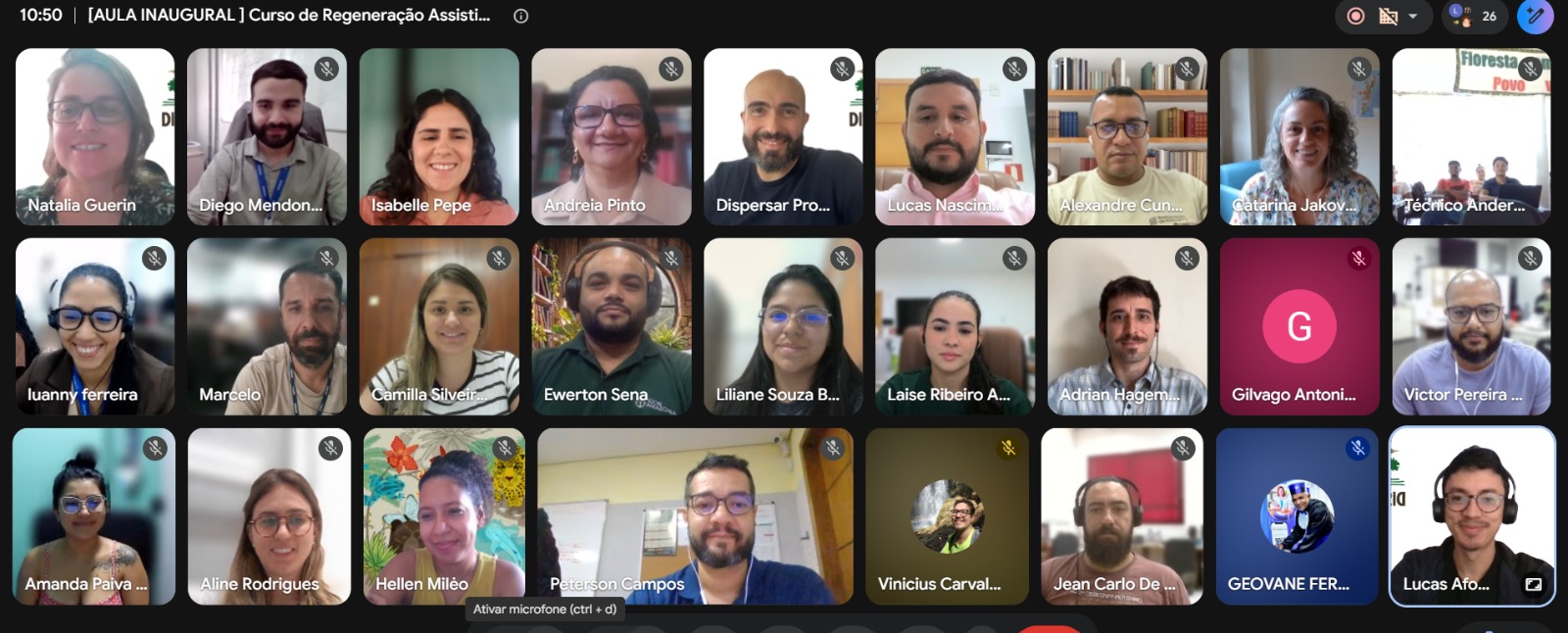
In the Amazon, the training took place in Santa Bárbara do Pará (Pará), in collaboration with the Alliance for the Restoration of the Amazon, Dispersar – the National Programme for Initial and Continuing Training in Ecosystem Restoration (SOBRE), and Imazon.
The courses began by introducing the guidelines established by CONAVEG Resolution No. 9, dated 7 May 2026, which sets out technical guidance for applying ANR. The initiative sought to connect these guidelines with the realities faced by ecological restoration practitioners, encouraging dialogue between scientific evidence, the technical principles of ANR and the challenges encountered in different territories.
ANR combines different interventions to remove or reduce factors that hinder vegetation recovery and create favourable conditions for natural regeneration. Rather than starting restoration from scratch, the approach seeks to harness and strengthen natural processes already taking place in an area, supporting ecological succession. This requires an understanding of local characteristics, land-use history and the pressures that may hinder recovery.
Nordeste
Such assessments help identify where ANR can be applied and which interventions are most appropriate for each context, guiding planning, implementation and monitoring.
Understanding the landscape to plan restoration
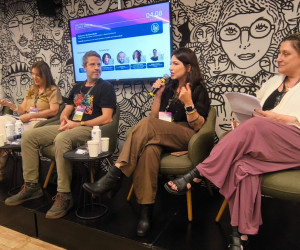
The courses began with an introductory online session featuring Thiago Belote, Director of the Department of Forests at the Ministry of the Environment and Climate Change (MMA). This was followed by a theoretical lecture delivered by Catarina Jakovac, from the Federal University of Santa Catarina (UFSC), who presented scientific evidence on natural regeneration (NR) patterns in both biomes and explained how landscape characteristics and land-use history influence the ecological quality of regenerating vegetation.
During the in-person field activities, participants observed areas at different stages of natural regeneration, discussed the circumstances in which ANR is most appropriate and assessed the effectiveness of different interventions. They also examined how to plan, implement and monitor ANR according to local conditions.
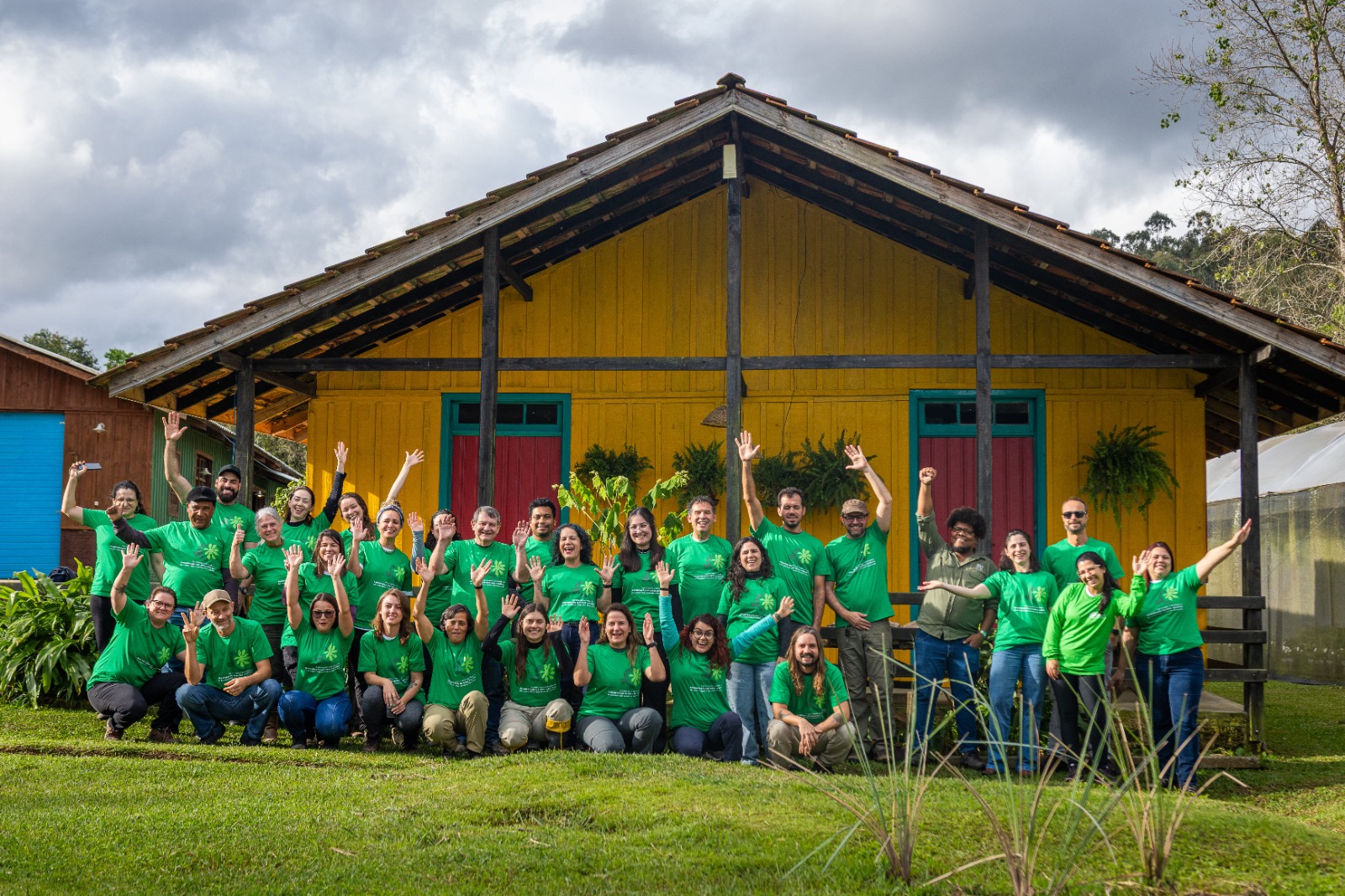
In Campo Largo (Paraná), the course was supported by Sociedade Chauá and Mater Natura. Activities addressed ANR in areas of secondary vegetation and floodplain environments, taking into account the fragmentation of Araucaria forests. Discussions included the importance of enrichment planting with native species when natural regeneration alone is insufficient to restore species diversity.
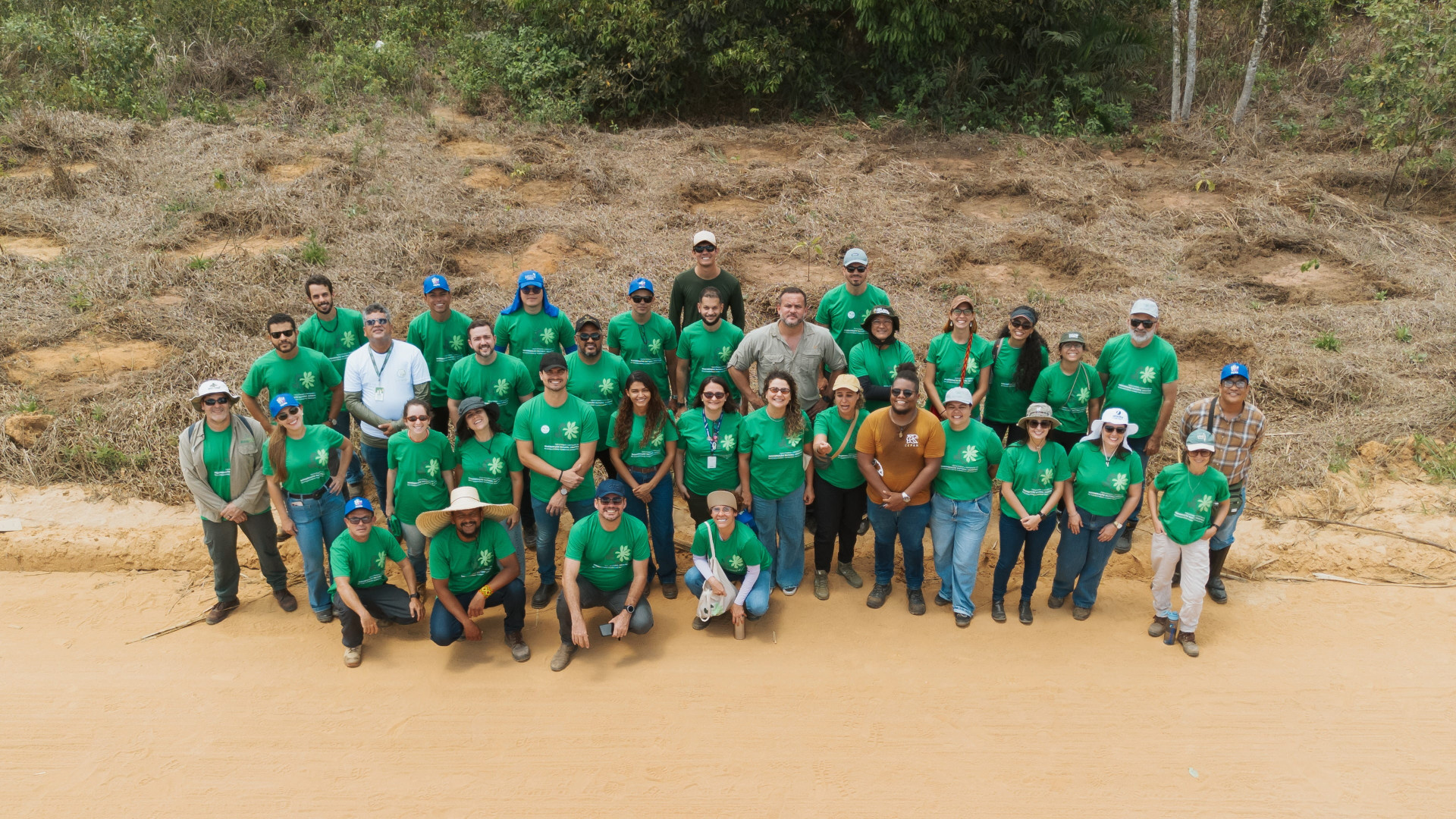
In Santa Rita (Paraíba), the training involved Eco Ocelot, CEPAN and Usina Japungu. In the Pacatuba–Gargaú ecological corridor, which aims to reconnect two Private Natural Heritage Reserves (RPPNs), participants learnt about restoration experiences across a landscape with more than 900 hectares undergoing recovery and over 40% forest cover. During the field visit, the group compared five areas managed using different restoration techniques.
In one area, abandoned approximately 15 years earlier, ANR consisted of grass control, demonstrating how removing degradation factors alone can support ecological succession. In another area, restored through mechanised direct seeding, nearly 30% of individual plants were naturally regenerated after three years, supported by seed dispersal by wildlife.
Training in the Amazon
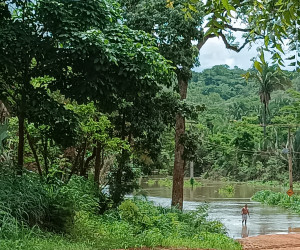
In the Brazilian Amazon, two days of in-person activities took place at the Abril Vermelho Settlement in Santa Bárbara do Pará, led by instructors Catarina Jakovac (UFSC), Andreia Pinto (Imazon), Raimundo Filho (MST) and Isabelle Pepe (IIS). The area contains secondary vegetation at different stages of ecological succession alongside agroforestry systems, providing opportunities to discuss ANR in productive landscapes and agrarian reform settlements.
During the field activities, participants assessed secondary forest regrowth areas approximately three, six and twelve years into regeneration, considering land-use history, the surrounding landscape and the interests of settlement families. On the second day, they applied the monitoring protocol developed by the Pará State Secretariat for the Environment and Sustainability (SEMAS-PA) in two different areas, establishing monitoring plots and collecting data on vegetation structure and diversity.
As supporting material, IIS developed a Guide to Implementing Assisted Natural Regeneration in Ecological Restoration, which was distributed as part of the participants’ training kits. The guide was designed to support the implementation of Resolution No. 9/2026 and promote wider understanding and application of ANR through accessible technical guidance.
Lessons learnt and challenges to scaling up ANR
Knowledge exchange throughout the four courses highlighted the importance of carefully assessing the ecological and social conditions of each territory, as well as local stakeholders’ interests, when applying ANR. Challenges reported by participants included controlling invasive and competing species, particularly grasses and vines; wildfires; grazing animals; soil degradation; water availability; and difficulties accessing and monitoring restoration areas.
Participants also raised issues concerning engagement with landowners and communities, continuity of monitoring, and the need for further information on the costs, outcomes and effectiveness of different interventions. During the course in Pará, for example, participants emphasised the importance of exploring cost-effectiveness, project development and opportunities to integrate ANR with agroforestry systems, markets and policies that incentivise production.
The diversity of participants’ backgrounds and experiences was an important aspect of the training. Bringing together researchers, public officials, technical professionals, civil society organisations and farmers encouraged knowledge exchange and discussions from different perspectives on natural regeneration.
IIS will compile the experiences and challenges shared by participants and submit them as contributions to the development of Brazil’s National Assisted Natural Regeneration Strategy. The courses therefore contribute not only to strengthening the capacities of those working in the field, but also to aligning national guidelines with the practical conditions and needs associated with implementing ANR across Brazil’s different biomes.